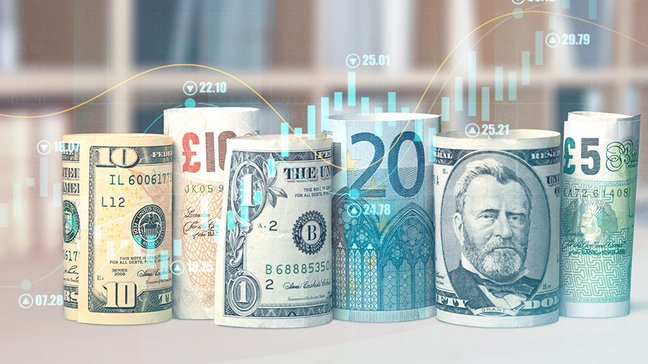
The Top 10 Tips For Currency Exchange Rates And Market Developments
Anyone who manages investments, travels to conduct business must have a good understanding of market trends. Market trends define the primary patterns of movement in prices and economic indicators in the course of time. These trends are influenced by many factors, such as geopolitical and economic developments, and consumer behaviors. Understanding market trends can aid travelers in optimizing their budgets and currency exchange. For companies, staying aware about market trends can help guide strategic decisions and pricing strategies. Investors can use market data and patterns to make informed choices when buying or selling assets. Here are the top ten specific guidelines for monitoring and utilizing market trends to your financial endeavors.
1. Stay Informed with Economic Indicators
Market trends are influenced by economic indicators such as consumer confidence, inflation GDP growth, and unemployment rates. Monitor these indicators regularly to gain insight into the condition of the economy. It is possible to interpret market conditions better by using websites like those from the Bureau of Economic Analysis (BEA) or Federal Reserve.
2. Utilize Financial News Sources
– Reliable sources of financial news sources, like Bloomberg Reuters and CNBC provide the most current information on the latest trends in the market and events that impact various sectors. Sign up to newsletters to stay up-to-date with market changes and economic forecasts experts' opinions, as well as market developments. This information can provide background for your budgeting for travel, business decisions, or investment strategies.
3. Leverage Online Analytical Tools
Analytical tools and platforms like TradingView, MarketWatch, and Yahoo Finance provide historical data, charts, and technical analysis that can help you assess market trends. These tools allow you to discern patterns, trends and turning points that will assist you in making better decisions when planning your holiday, managing investments or making business-related decisions.
4. Seasonal trends The things you should know
There are many markets that experience seasonal changes that affect the price and demand. For example, tourism can increase during certain times of the year, impacting currency demand and exchange rates. Knowing the seasonal changes helps you adapt your business and travel strategies in accordance with consumer behaviour. If you know, for example, that the exchange rate will be higher during off-peak season You can plan your currency exchanges accordingly.
5. Geopolitical Event Monitoring
Geopolitical factors, such as trade agreements and elections, can impact the market as well as its value in currency. Stay up-to-date on global events, which could affect the regions you might be traveling to, doing business in, or investing in. For instance, a change in government policy in a country may result in currency fluctuations that could impact your travel budget as well as return on investment.
6. Social Media Updates in Real Time
Twitter and LinkedIn provide updates in real time on economic and market news. Follow top economists analysts, leaders, and economists in the industry to get more insight into the latest market trends. You can also exchange information with relevant online communities and keep up-to-date on market developments.
7. Look at old data to identify trends
The historical data available can offer useful insight into how markets have responded to similar events over time. By analyzing the historical data, you are able to detect patterns that could lead to more accurate predictions of future market movements. This method is beneficial to investors seeking long-term trends as well as businesses seeking to determine pricing strategies based upon past consumer behavior.
8. Trend Analysis: A Strategy for Your Business
Trend analysis involves evaluating price data from the past to discover patterns, and making predictions about future movements. For travellers, this may include monitoring the trends in currencies to determine the optimal time to exchange money. Trend analysis is useful in helping businesses develop pricing and marketing strategies. Trend analysis can be used by investors to find the right entry and exit points for their investment, maximising potential returns.
9. Diversify Information Sources
It is not wise to rely solely on one source for information. This could lead to being unable to comprehend the market's trends. Diversify the sources you use by utilizing multiple financial news sites and economic reports and online analytical tools. You will gain a greater knowledge of the market by combing multiple perspectives.
10. Consult Financial Advisors
Talk to Financial Advisors if you're not sure what to make of market shifts or how they may impact your financial goals. These experts offer individualized advice that is specific to your needs as well as help you devise strategies to navigate the market. Whether you're a traveler needing budgeting guidance, a company looking to optimize operations, or an investor managing a portfolio, their knowledge will be valuable.
Follow these steps to keep track of and utilize market trends. You will be able to manage your finances, travel and business more efficiently. Knowing market trends will allow you to make more informed financial choices that are aligned with your goals in professional or personal life, and ultimately improve your overall financial plan. Check out the top rated AED to USD advice for site info including british pound to dollar, currency exchange near me, usd to peso, currency exchange near me, british pound to dollar, convert gbp to usd, usd to chinese yuan, us dollar to pakistani rupee, us dollar to mexican peso, dollar to rmb and more.
The Top 10 Strategies To Help You Select The Currency You'll Be Using In Terms Of Exchange Rates And Rates
Knowing the currency of your destination is essential for anyone who is traveling abroad, conducting business in international markets or managing investments on foreign markets. The currency used in a country is referred to as the destination currency. It has a major impact on financial decisions. The exchange rates, the cost of conversion, and economic conditions can influence the cost of your travel, in addition to the extent to which you are profitable and successful are in business. By learning about the destination's currency and its implications you can improve your financial situation and make better decisions. Here are the top 10 strategies for managing destination currencies in your financial endeavours.
1. Before going on vacation, it's essential to study the local currency.
Before traveling to the country of your choice, do some research on the currency. Understanding the currency of the country in comparison to your own is important. Additionally, you should be aware with the currency denominations. This will help you control your spending better and prevent paying too much for services and goods. Websites such as XE.com provide real-time information as well as historical exchange rates which allows you to determine the worth of money you spend abroad.
2. Check the exchange rates before you travel
Monitoring these fluctuations will help you determine the best time to exchange currency. Set alerts to notify that you receive a notification when rates for exchange are in a favorable position with the help of tools and apps for tracking currency. If you see a decrease in trend, you should exchange your currency earlier to increase the buying potential of your travel.
3. Currency Conversion Costs to consider
Banks, currency exchange services and ATMs can charge a range of charges for currency conversion. It is crucial to be aware of charges involved in changing your currency from the local to the currency of the destination. This can be a major impact on your budget. Check exchange rates with different providers and choose online platforms with lower conversion fees and affordable rates.
4. Make use of the local currency for transactions
The option of paying in your currency is not the best option when purchasing items from abroad. Using your home currency often is a the dynamic conversion of currency (DCC) that typically comes with unfavorable exchange rates and higher fees. If you pay with local currency, you'll be able to benefit from lower exchange rates, and you will save money.
5. Plan for your cash needs in advance
While debit and credit cards are accepted in a wide range but it's important to have a few dollars to hand in the event that you require to pay for a small amount or give a tip or go somewhere that doesn't take card payment. To avoid charges, it is recommended to research the ATM withdrawal limits and related fees. Making sure you have local currency can make traveling simpler and less stressful.
6. Find out more about local payment preferences.
Different countries have their own preferences when it comes to payment methods. Cash might be the preferred method of payment in some areas, while digital payments and credit card usage is more common. You can learn about local payment practices by researching the culture of the area. This knowledge can help you plan your payment procedures to ensure you have the appropriate means to conduct transactions without issues.
7. Business Currency Risks: Be Watchful
If you conduct business in a foreign country, keep in mind the risks of fluctuations in currency. The sudden change in value of the currency destination can affect profit margins as well in the overall financial performance. Hedging strategies like forward contracts can be employed to fix exchange rates in the near future, and limit losses caused by currency volatility.
8. Make a note of the money you spend
– Be aware of your spending in the currency of your destination is essential for staying within your budget while you travel. Keep track of your expenditure making use of budgeting applications or keeping a thorough record of all expenses. This will prevent you from overspending and will give you enough money to last all the time of your trip.
9. Financial Regulations: What You Should Be aware of
– Different countries have various rules concerning exchange of currency, cash transactions, and reporting obligations. It is essential to know these regulations in order to avoid possible legal issues during travel or business. Some countries could limit the amount of cash that you are able to carry or take out, while others might require large transactions to be registered. Understanding these rules will help you navigate them.
10. Consult a specialist in currency to assist with Investments
Consider consulting financial advisors and experts in currency who specialize in international investment if you are tracking investment in foreign markets. They can offer insight into the impact of fluctuations in the currency on your investment portfolio and assist you in developing strategies to manage risk in the currency market efficiently. Their knowledge can be valuable in understanding the complexities of foreign currencies and optimizing your financial outcomes.
Learn these specific tips to handle the currency of your destination and you will be able to navigate through the complicated world of business travel, travel and investment management more efficiently. Understanding the implications of the currency of your destination will allow you to make better financial decisions that are in line with your goals. See the top rated prazskamincovna.sk/czkeur currency for website info including cad to usd, dollar to inr, colombian peso to usd, us to baht, pound to usd, usd to mexican peso, us dollar to rupees, us dollar in indian rupees, us dollar to php, php to dollar and more.